dental-crowns-bridges-garden-city-ny

Crowns and Bridges
In Garden City, NY

When damaged or missing teeth affect how you eat, speak, or smile, crowns and bridges can help restore both comfort and confidence. At Eastline Dental, Dr. Karim and Dr. Wong take a thoughtful, detail-driven approach to strengthening and replacing teeth, so your smile looks natural and functions the way it should.

Whether you’re repairing a single tooth or replacing several, during your first visit we’ll guide you through your options and craft a solution right for you.
Book Now
Call (999) 999-9999

What are dental crowns and bridges?

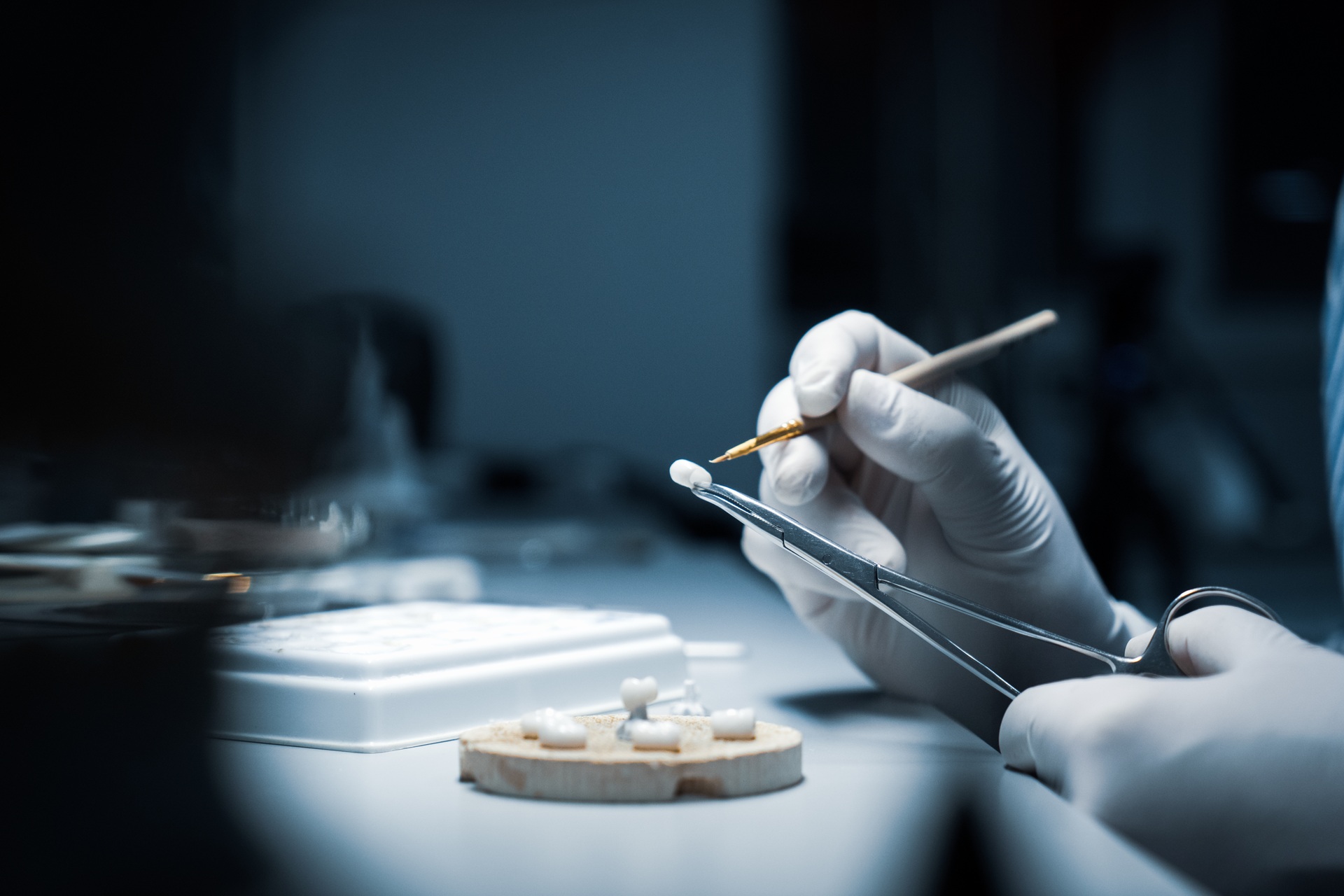
Dental crowns and bridges allow dentists to protect and restore damaged teeth. Typically, when tooth decay is severe enough that it can’t be treated with a filling, a dental crown will be used to cover, or cap, the tooth. Crowns are also commonly used to seal teeth that have been treated with root canal therapy. And occasionally, dental crowns are used for cosmetic purposes or in smile makeovers.

A dental bridge is a fixed dental prosthesis that replaces a single tooth or multiple teeth and is often recommended for patients who may not be candidates for dental implants. Two dental crowns are placed on the healthy teeth on either side of the gap, and a false tooth (called a pontic) is attached to bridge the space and restore both function and appearance.

No items found.

Your Care, Your Terms

You deserve affordable, accessible care. That’s why we provide a variety of flexible financing options to meet your unique needs. Ready to work out a budgeting plan? Reach out to our team to get the conversation started.

No items found.
Book Now
Call (999) 999-9999
No items found.

Types of dental crowns and bridges

Traditional Bridges

Traditional dental bridges are made out of two crowns, which are attached permanently to “abutment teeth.” These are the healthy teeth located next to one or more missing teeth within your mouth. Depending on your individual needs, tooth preparation may or may not be required and will be planned accordingly to support an optimal, long-lasting outcome.

Between these teeth, a ceramic framework (most commonly used for its natural appearance) or, in some cases, a metal framework is used to suspend one or more “pontics” (false teeth). These false teeth literally “bridge” the gap between your missing teeth, restoring your smile.

Resin-Bonded Bridges

A resin-bonded bridge is a conservative option for replacing a missing tooth, most commonly used in the front of the mouth. This type of bridge uses a false tooth that is supported by discreet “wings” bonded to the backs of the neighboring teeth. Depending on your individual needs, minimal tooth preparation may be required.

Resin-bonded bridges are often recommended for patients looking to restore their smile with a less invasive treatment option. They can improve the appearance of your smile while helping maintain natural tooth structure whenever possible.

Implant Bridges

An implant bridge is permanently fixed to dental implants to restore multiple missing teeth. Implant bridges look, feel, and function much like healthy natural teeth, so you don’t have to worry about them shifting or coming loose. Implant bridges can be brushed and flossed just like regular teeth, making them easy to care for as part of your daily oral hygiene routine. Plus, implant bridges can be a treatment option that may be less costly than replacing every missing tooth with an individual implant.

No items found.
Previous
Next

How dental crowns and bridges work

Getting Your Teeth Ready

Your dentist will get you numb and then begin preparing the tooth by removing a small amount of tooth structure to create space for ceramic. If you are receiving a dental crown, only that tooth will be treated. If you are treatment planned for a bridge, the teeth needed to support the bridge will be prepared accordingly.

Capturing a Precise Fit

Once the teeth have been prepared, your dentist will take impressions or digital models of your teeth. These impressions or digital models will be used to build a custom-fit dental bridge.

Protecting Your Smile

Your prepared teeth will be protected with a temporary resin bridge or temporary dental crowns while your permanent bridge is being created and prepared for placement.

Bringing Your Smile Together

At this visit, the temporary will be removed and the restoration will be tried in so the fit and esthetics can be assessed. Once you and your dentist have determined that the look and fit of your restoration feels right, they will use a strong dental cement to attach it, restoring your smile and your bite.

Answers You're looking For

Frequently Asked Questions

Book Now
Call (999) 999-9999

The cost of dental crowns and bridges is different for each patient. Factors that may affect the cost of your crown or bridge include your overall oral health, the type of crown or bridge you choose, pre-treatment surgeries (like tooth extraction) and more. The best way to find out how much you’ll pay for a dental bridge is to schedule a consultation with your dentist.

However, dental bridges are usually covered, at least in part, by dental insurance when they’re used to restore missing teeth. Contact your insurance provider to learn more about your coverage.

This varies, depending on the type of dental crown or bridge you choose. However, most dental crowns and bridges are made from a combination of a metal framework, which supports the teeth and ensures they’re in the proper place, and one or more porcelain crowns and false teeth. Acrylic teeth are sometimes used for dental bridges and crowns, but usually, they are only used for temporary bridges and crowns, since acrylic is much less durable than porcelain and ceramic materials.

It depends. Dental crowns and bridges, like all dental prostheses, can become damaged over time or worn down from daily activities such as chewing, biting, smiling, and speaking. With proper care, crowns and bridges can function well for many years, but their longevity may vary based on the type of restoration and how well you care for your teeth.

Additionally, the teeth underneath are still susceptible to dental decay (cavities) and periodontal issues. If these concerns develop, replacing a crown or bridge may be recommended to protect your oral health and restore proper function.

Dental crowns and bridges that are required for restorative purposes, such as severe cavities or a broken tooth, are typically covered by insurance. The exact amount of coverage you receive will depend on the deductible and yearly limits of your policy.

If you require a crown or bridge for cosmetic purposes, such as covering up a discolored tooth, the procedure may not be covered by insurance. To make sure your procedure is covered, we recommend consulting with your insurer.

You can treat your dental crown and bridge just like a natural tooth. Make sure you brush twice a day for at least two minutes, ensuring you scrub the full surface of every tooth. You should floss at least once per day, preferably at night. This should only take a few minutes, but be sure to floss against the tooth and below the gum line. You should also see your dentist every six months for a check-up to make sure that your dental work and teeth are healthy.

Most commonly, dental crowns and bridges are used to protect and restore teeth that have been damaged by a serious cavity, or that have been cracked or broken by dental trauma, like an accident or injury. Because crowns and bridges cover up and protect your entire tooth structure, they are ideal for preventing further complications and restoring the shape, appearance, and function of damaged teeth.

Dental crowns and bridges are also used to cover up and protect teeth after root canal treatment. In more rare cases, they may also be used for cosmetic dentistry if other treatments like veneers and dental bonding are not appropriate.

Both dental crowns and bridges protect and restore damaged teeth to their normal shape, size, and function. A crown restores one decaying tooth by covering it with a cap, while a dental bridge restores multiple teeth through a fixed appendage that mimics the look and feel of your other teeth.